In the Heart of Winter
In deep winter, as nights grew longest, ancient Europeans found comfort in fire, feasting, and rituals. These gatherings were often wild celebrations meant to fight off darkness and welcome the sun’s return.
Scandinavian Norse marked Yule with twelve nights of burning huge logs, believing each spark promised new life in spring. In German forests, fear of Odin riding the night sky kept many indoors. In Rome, Saturnalia flipped social order—work stopped, gambling ran free, and chaos reigned, culminating on December 25th in honor of the “Unconquered Sun” (Sol Invictus).
“The deep winter rituals were designed by God to create within the nations the ache of a longing for light and hope that is found in Jesus Christ, a brightness and warmth that never fades.”
By the fourth century, Christianity reshaped these rites. Christmas emerged, infusing pagan fear with the hope of Christ’s birth—transforming superstition into joy.

Where December 25th Really Comes From
Pagan Origins
Solstice rituals trace back millennia—evidenced by alignments at Stonehenge and Newgrange. Rome’s Saturnalia honored Saturn with feasts, while Emperor Aurelian in 274 AD declared December 25th the Birthday of the Unconquered Sun to unify the empire.
Christian Origins
Early writers like Hippolytus of Rome (c. 204 AD) calculated December 25th independently, predating Sol Invictus. The first official Roman celebration came in 336 AD (Chronography of 354). The Church co-opted the date, redirecting focus to Christ as the “light of the world” (John 8:12).
Sidebar: Historical Timeline
- 204 AD: Hippolytus proposes December 25th via theological calculations (conception on March 25th + 9 months).
- 274 AD: Aurelian establishes Sol Invictus festival.
- 336 AD: First recorded Christmas in Rome.
- 379–432 AD: Spreads to Eastern Empire, Egypt, and beyond.
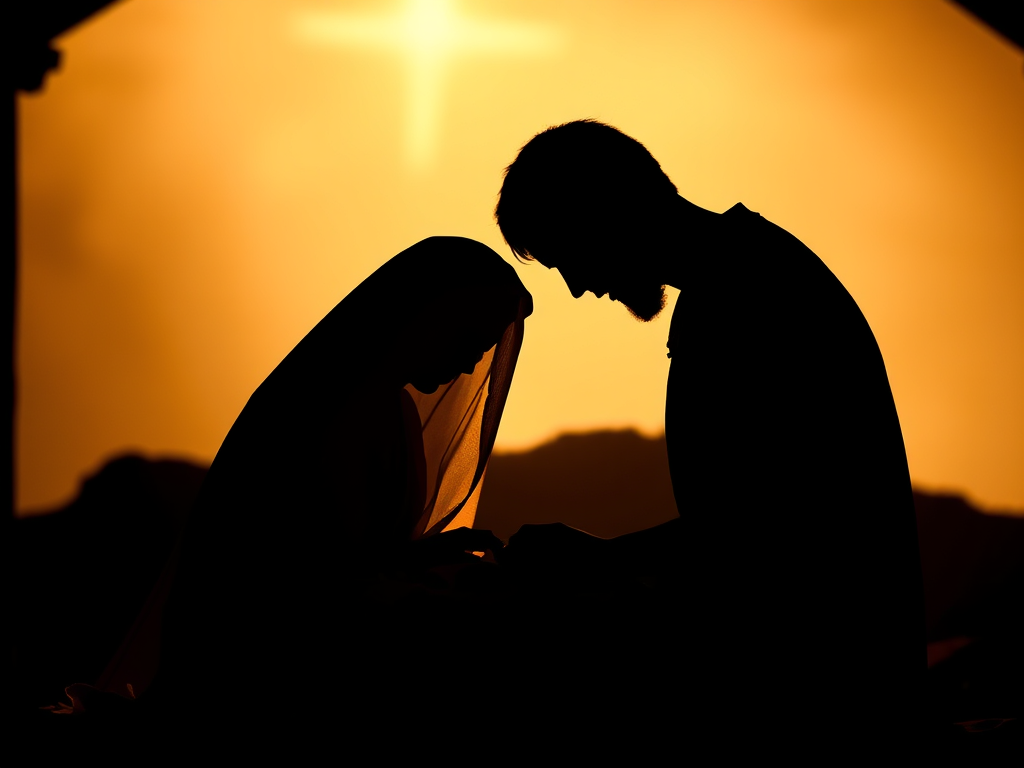
Redeeming the Solstice
The Church didn’t erase pagan customs—it redeemed them:
| Pagan Tradition | Pagan Meaning | Christian Redemptive Equivalent |
|---|---|---|
| Date of Celebration | Winter solstice, “rebirth” of the sun | Birth of Jesus, the “Light of the World” |
| Evergreen Trees/Wreaths | Symbol of eternal life and fertility | Everlasting life with Christ |
| Feasting and Merriment | Survival and harvest end | Nativity celebration |
| Gift-Giving | Saturnalia luck and harvest | Magi’s gifts; St. Nicholas tradition |
| Wassailing/Caroling | Banishing spirits, good health | Singing of Christ’s birth |
Animal sacrifices gave way to Christ the Lamb. Drunken chaos yielded to family joy. Idol worship turned to Nativity scenes. Fear of spirits became triumph in the Light.
“His coming did not abolish the solstice; it redeemed it.”

How God Prepared Humanity
God wove natural cycles into divine foreshadowing. The solstice’s returning light mirrored Malachi 4:2:
“But for you who revere my name, the sun of righteousness will rise with healing in its rays.”
Early fathers like Ambrose and Augustine saw Christ as the true Sun outshining pagan gods. The “unconquered sun” became the Unconquered King.
“The true light that gives light to everyone was coming into the world.”
(John 1:9)
The Enduring Story
Winter’s darkness universally stirred longing for light—a prelude God used for salvation. Bonfires became Christmas lights, testifying to the true Light who stepped into our darkness.
The raw ache of humanity met its fulfillment in Christ—the desire of nations (Haggai 2:7), ending our search in unquenchable hope.
Sidebar: Early Church Voices
- St. Ambrose: Christ as the true sun eclipsing old gods.
- Augustine: “That day… is called the birthday of the Lord on which the Wisdom of God manifested himself as a speechless Child.”
- De solstitia (4th century): Winter solstice as providential sign of the “Sun of Righteousness.”
Like Purim or Hanukkah—traditions beyond strict Scripture—Christmas has enriched believers for centuries, proclaiming the humility of God made flesh.
 storyofgrace.org