In the sun-bleached marble halls of ancient Rome’s senate, philosophers dreamed of a perfect republic—reason triumphing over passion, justice flowing naturally from enlightened laws. Yet time and again, greed subverted ideals, and pride corrupted leaders. A young North African bishop, Augustine of Hippo, saw through the illusion. Drawing from his own youthful malice—theft of pears not for need, but for thrill—he recognized a deeper flaw: a will bent inward, seeking self-glory over goodness. This was original sin.
While philosophers decried it as defeatist, Augustine argued honesty about human failure was the foundation for true progress. Societies built on pretense crumble; those acknowledging imperfection endure, receiving grace that comes from the self-giving love of the Trinity.
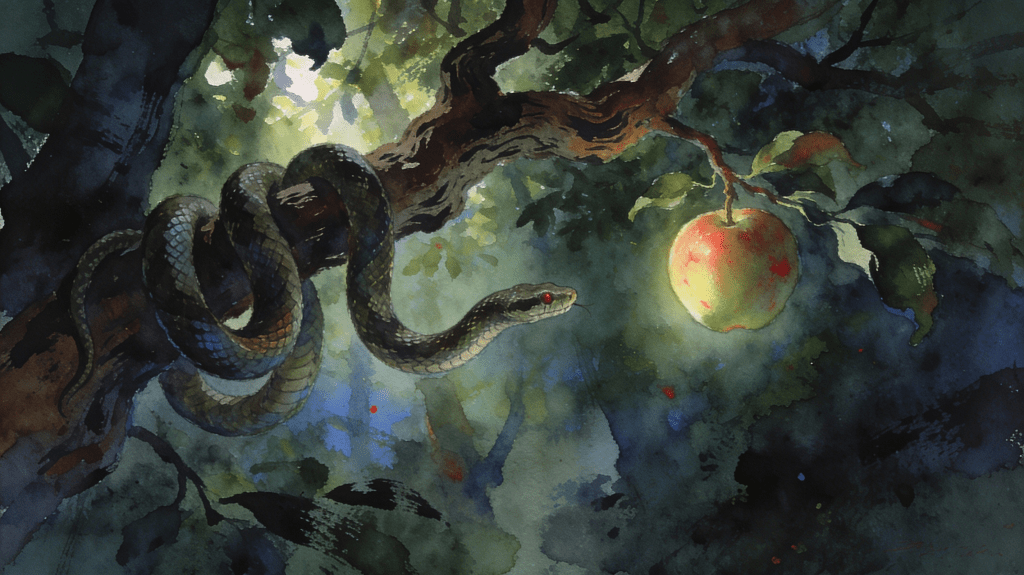
“Inside every person… a will turned inward, a ‘bent’ that sought its own glory rather than goodness itself.”
What Is Original Sin?
Original sin is like an inherited “bug” in human code—passed down from Adam and Eve’s disobedience, creating a universal tendency toward moral corruption. Humanity can’t fix this flaw alone; it needs divine grace.
Augustine saw the Fall as a cosmic shift: the Serpent’s temptation led Adam and Eve to choose self-rule over God’s. Eating the forbidden fruit (Genesis 3:6) severed harmony, introducing shame and hiding.
“Then the eyes of both of them were opened, and they knew that they were naked..." (Genesis 3:7)
This wasn’t just personal; consequences inherited through generations. From Romans 5:12:
“Therefore, just as sin entered the world through one man, and death through sin, and in this way death came to all people, because all sinned—”
Yet grace abounds: Romans 5:17 promises believers “reign in life” through Christ.

Social Benefits of Embracing Human Flaws
The Birth of Realistic Governance
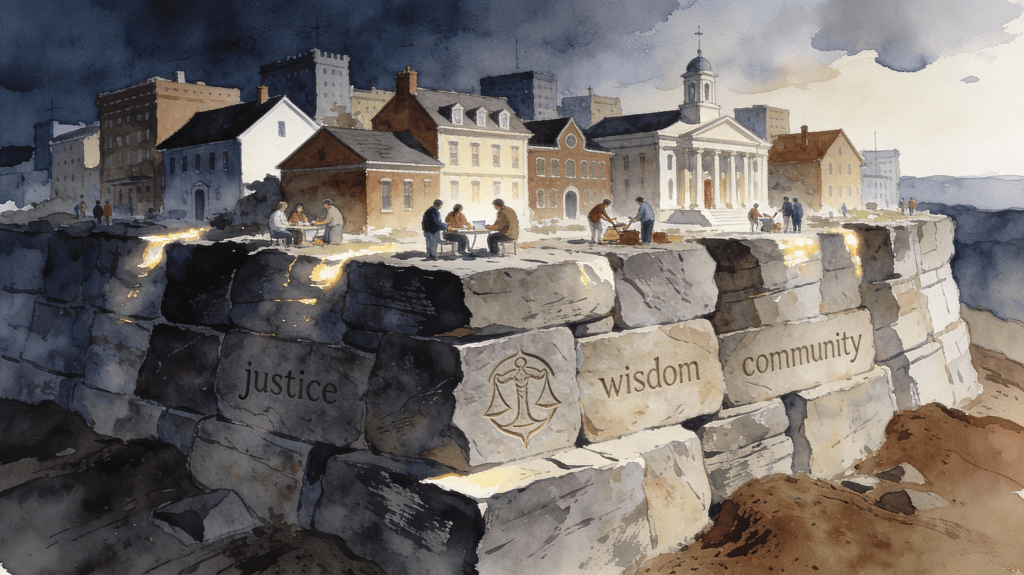
Augustinian realism birthed systems assuming no one is angelic. Checks and balances prevent power concentration; independent courts pursue imperfect justice; civic engagement fosters responsibility. Humility tempers leadership, curbing tyranny.
This echoes in modern democracies: “If men were angels, no government would be necessary” (Federalist Papers). Reinhold Niebuhr’s Christian Realism added: “Man’s capacity for justice makes democracy possible; but man’s inclination to injustice makes democracy necessary.”

The Engine of Communal Charity
Pagan virtue saw generosity as elite duty. Augustine’s view: shared brokenness demands compassion. No one superior—all flawed, all needy. This sparked organized charity: hospitals, orphanages, enduring welfare networks rooted in empathy over judgment.
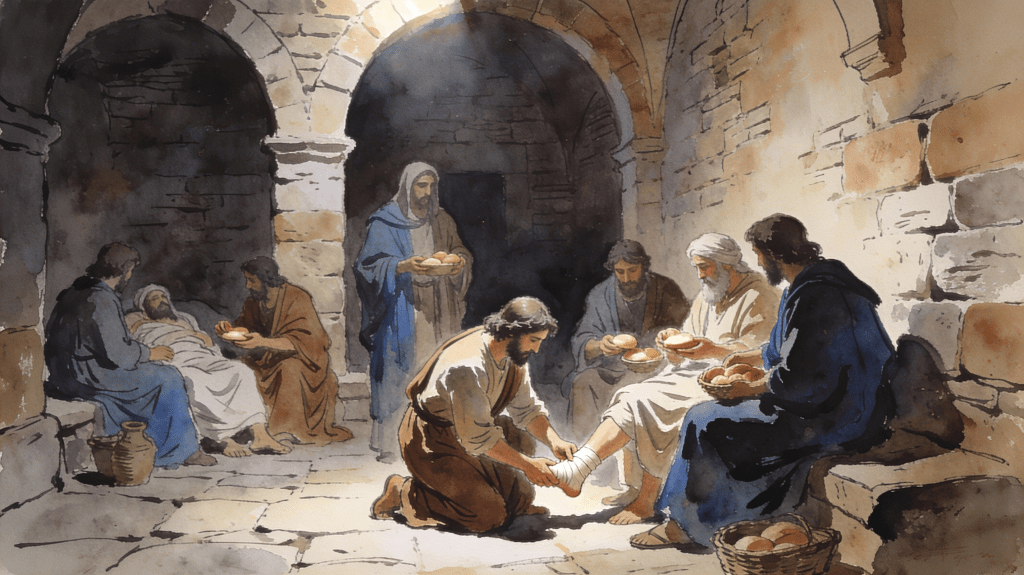
“Knowing that they, too, were flawed, citizens were moved to care for the poor and vulnerable.”
The Drive for Ongoing Progress
Utopias collapse in hubris. Augustinian struggle fuels incremental improvement—refining institutions, correcting injustices, pursuing science against decay. Perfection unattainable, progress becomes urgent necessity.
The Foundation of Universal Ethics
Ethics grounded in shared brokenness endure, applying to all. Everyone needs redemption and mercy, fostering compassion across divides.
Conclusion: Grace Amid Imperfection
Philosophers’ proud cities fell; Augustine’s humble truth built resilient ones. In accepting flaws, societies advance—not by human ambition, but grace breaking through pride. Thus, progress mirrors Trinitarian love: mutual, self-giving.
____________________________
Sidebar: A Translation That Shaped the West
Augustine’s strict view of original sin stemmed from a Latin mistranslation of Romans 5:12. Original Greek: eph’ hō pantes hēmarton — “because all have sinned.” (Death from individual sins in a corrupt world.) Latin Vulgate: in quo omnes peccaverunt — “in whom all have sinned.” (Guilt inherited directly from Adam.)
This led Western theology to “Original Sin” (inherited guilt + corruption), diverging from Eastern “Ancestral Sin” (corruption + mortality, no personal guilt).
| Feature | Augustine’s Interpretation | Original Greek Interpretation |
|---|---|---|
| Inheritance | Corrupt nature + personal guilt of Adam | Corrupt nature + mortality, no guilt |
| Causation | All die because born guilty | All die because of own sins in corrupt world |
| Name | Original Sin | Ancestral Sin |
 storyofgrace.org